
Sewage & Contaminated Water Cleanup in Richfield, MN
Sewage water carries bacteria, so cleanup follows a stricter order. Keep people and pets away, get the water and waste out, disinfect what it touched, then dry.
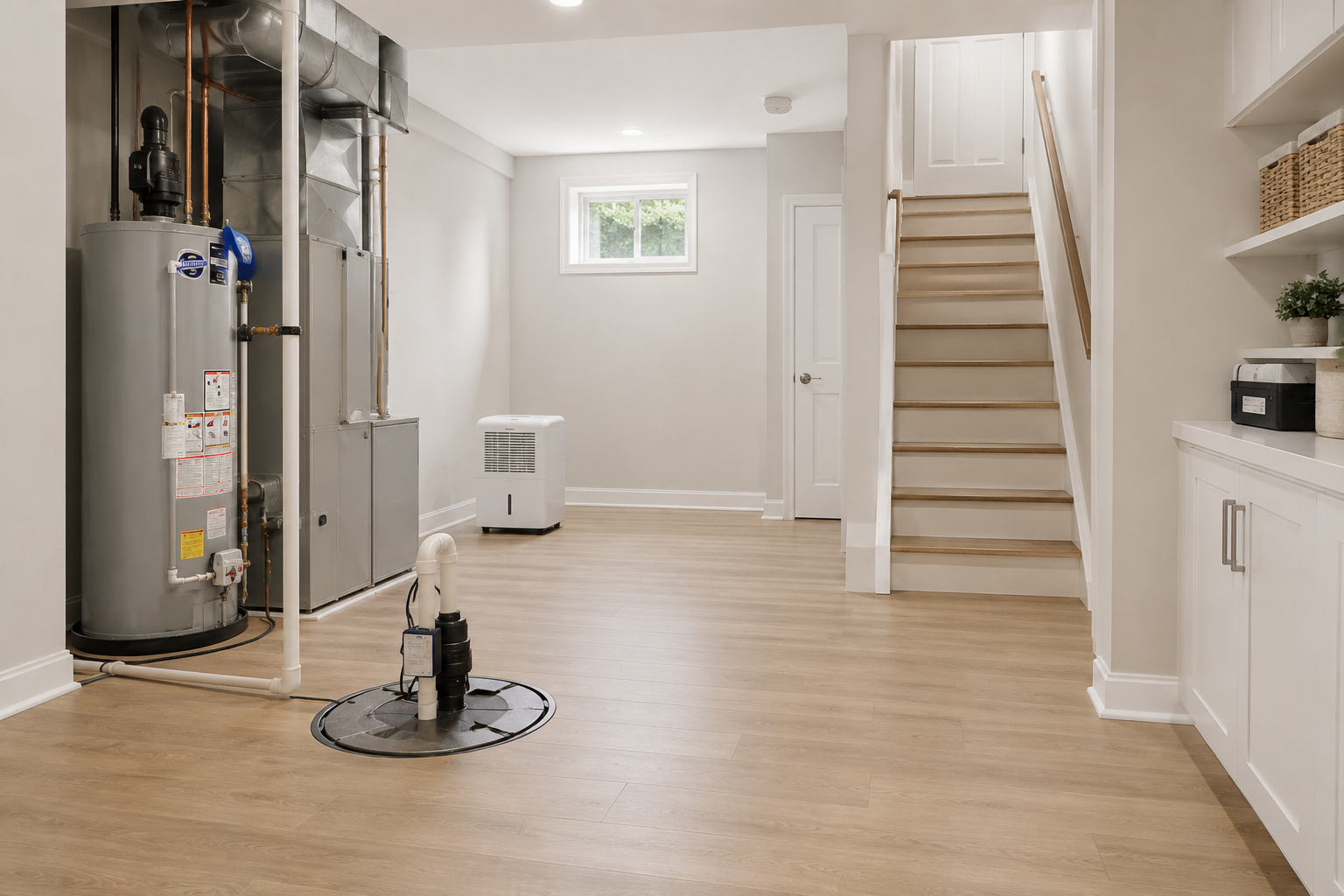
Keep everyone away from the water.
Call about a sewage backup or any water you suspect is contaminated. You get safe first steps over the phone and a clear plan for the cleanup.
Not all water damage is the same
Restoration work sorts water into three rough types. The type sets the cleanup rules.
- Clean water comes from supply lines and rain. Ordinary drying rules apply.
- Gray water comes from washers, dishwashers, and tub drains. It needs cleaning plus drying.
- Sewage water comes from toilets, floor drains, and sewer backups. It carries bacteria and needs full disinfection.
- Water that sits gets worse. Even a clean-water leak left for days is handled with more caution.
When in doubt, treat it as contaminated.
- Backups from floor drains almost always count as sewage water.
- Water that crossed a drain, sump pit, or crawl space is not clean.
- Color and smell are not reliable tests.
- Describe the source when you call, and the handling gets set correctly from the start.
Before cleanup starts
A sewage backup is unpleasant, but most of the risk is avoidable with a few plain rules.
- Keep children and pets out of the affected rooms.
- Do not run fans over sewage water. Airflow can spread contamination before cleaning.
- Avoid touching the water. Wash well with soap if you already have.
- Leave wet items where they are instead of carrying them through clean rooms.
- If water is near outlets or appliances, turn off power to the area only if you can reach the panel safely.
This is not a shop-vac job.
- Household vacuums and carpet cleaners are not built for contaminated water and can spread it.
- Proper cleanup uses protective gear, extraction equipment, and disinfectants matched to the job.
- Porous items that soaked through usually need to go, not get washed.
- A short call sorts out what is safe to do before help arrives.
What sewage cleanup includes
Contain and remove
The affected area gets contained so nothing spreads. Water and solids are then pumped and extracted out.
Clean and disinfect
Everything the water touched gets cleaned, then disinfected. Soaked porous materials like carpet pad and cardboard come out.
Dry and verify
Air movers and dehumidifiers dry the space. Moisture checks confirm floors and walls are dry before the job closes.
What careless cleanup leaves behind
The visible mess is the easy part. The problems that come back later are the ones you cannot see.
- Bacteria stay on surfaces that were wiped but never disinfected.
- Water wicks into walls and under flooring, out of reach of a mop.
- Contamination spreads when wet items get carried through clean rooms.
- Damp material left in place is how odor and mold questions start.
What can usually be saved
- Hard, sealed surfaces like concrete and tile typically clean up well.
- Carpet pad, cardboard, and soaked drywall usually cannot be saved.
- Carpet itself depends on the water type and how long it sat.
- Each item gets a plain answer, not a blanket promise.
Sewage cleanup questions
Is a sewage backup dangerous?
Treat it with care. Sewage water can carry bacteria and other contaminants, which is why the affected area stays off limits until cleanup and disinfection are done. Keeping people and pets out is most of the safety battle.
What usually has to be thrown out?
Materials that soak water in, like carpet pad, cardboard, and upholstered items that got wet, usually go. Hard, sealed surfaces can typically be cleaned and disinfected. Items get sorted one by one, not discarded by default.
Can I clean up a small backup myself?
A small toilet overflow on tile, caught right away, is different from a floor-drain backup. Call +1 612 255 5572 and describe it before you decide. Some small cleanups are fine to handle yourself. A wrong guess spreads contamination.
Do not live around a sewage backup.
Call +1 612 255 5572 to talk through the cleanup, or send a request and describe what happened.
Request Help Online
Tell us what backed up, where the water reached, and the best way to contact you. Prefer to talk now? Call +1 612 255 5572.
Prefer to call?
A backup feels overwhelming until the first step is clear. Call +1 612 255 5572 and get the handling right from the start.